A history of paleontology in China

Fossils were discovered early in human history, and their meaning has been interpreted in various ways by Chinese naturalists for over 2000 years. More recently paleontology in China has blossomed into a strong research enterprise, thanks to an enriched intellectual atmosphere, the energy of a promising economy, and the groundwork laid by generations of scientists.
David Oldroyd (20 January 1936 – 7 November 2014)
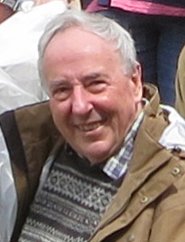
It was with great sadness that we learned of the death of Professor David Oldroyd, one of the most distinguished historians of geology of our time.
MAP – poems after William Smith’s geological map of 1815
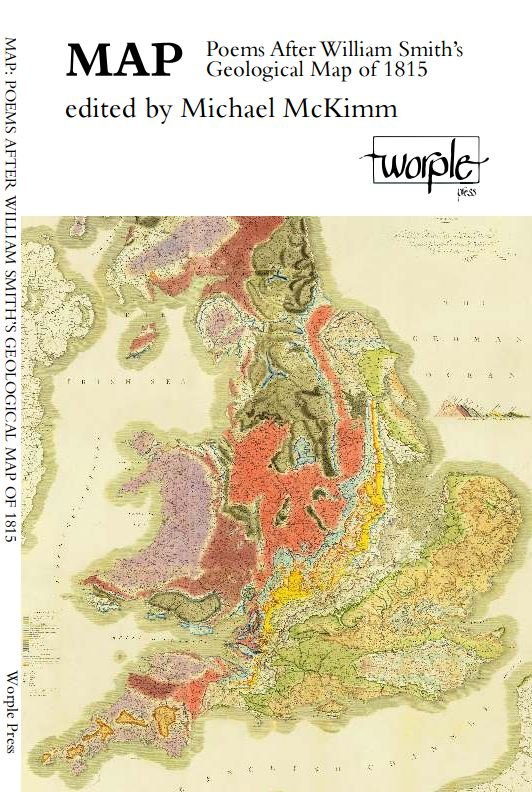
This is a remarkable anthology of poetry; I cannot think of another geological map or geologist that is so honoured. It is a wonderfully diverse creative response to William Smith’s map, his unique insight and his dramatic life story, evoked in 42 poems from 31 invited poets. – review by John Henry
Ghosts of the Museum

The Upper Library of the Geological Society of London was transformed into its previous incarnation as the Society’s Museum, in order to provide the venue for ‘an elementary class on fossils’ given by Edward Charlesworth (1813-1883).
New explanation for Cambrian explosion?
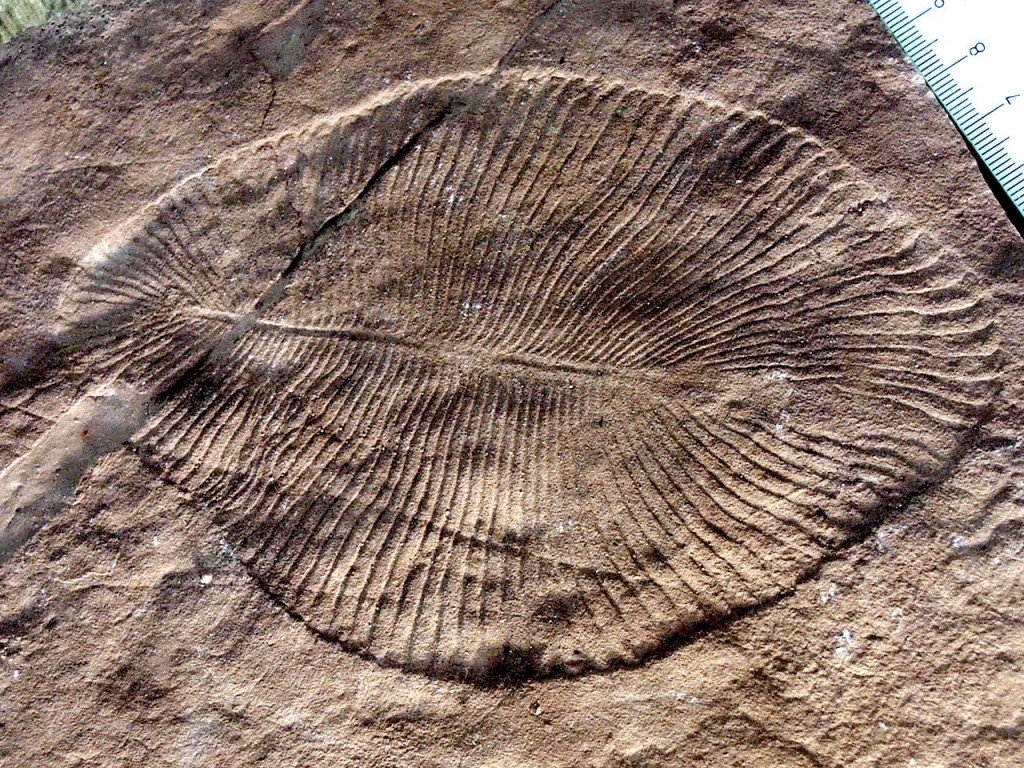
A new evaluation of geological history might help resolve the riddle of the ‘Cambrian explosion’, the rapid diversification of animal life in the fossil record 530 million years ago.
Britain’s top ten geological sites
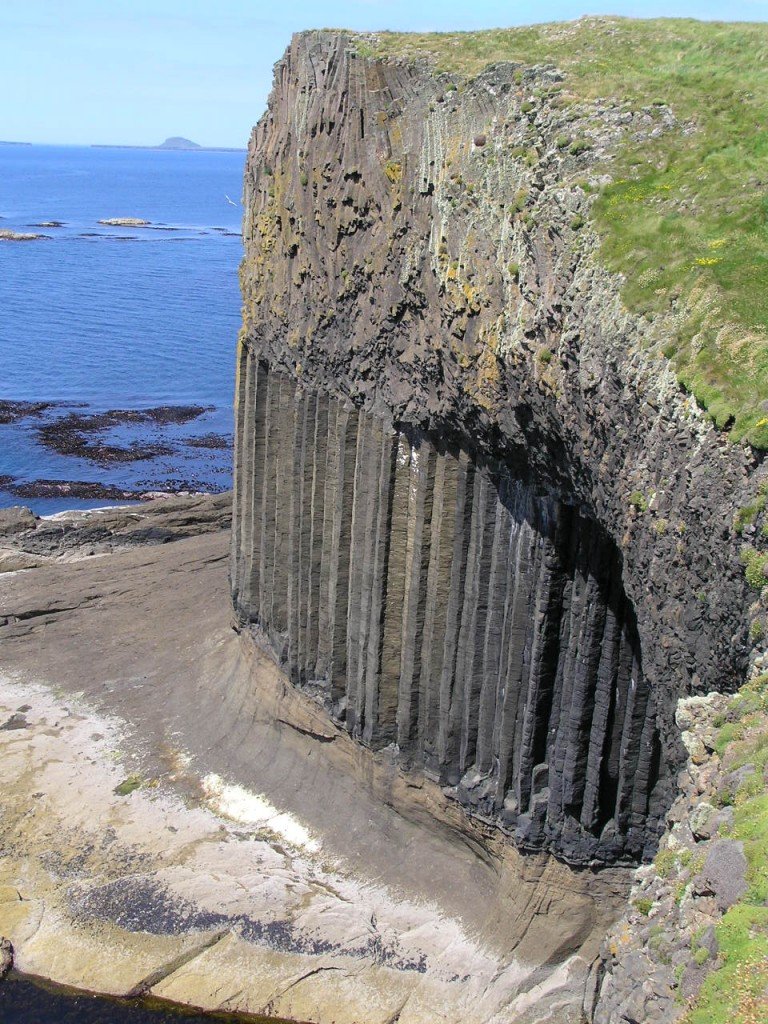
James Hutton’s Siccar Point and the spectacular basalt columns of Staffa have been chosen by the public as some of their favourite geosites. The top 10 geosites are part of Earth Science Week celebrations, which start today.
Earth’s Climate Evolution by Colin Summerhayes
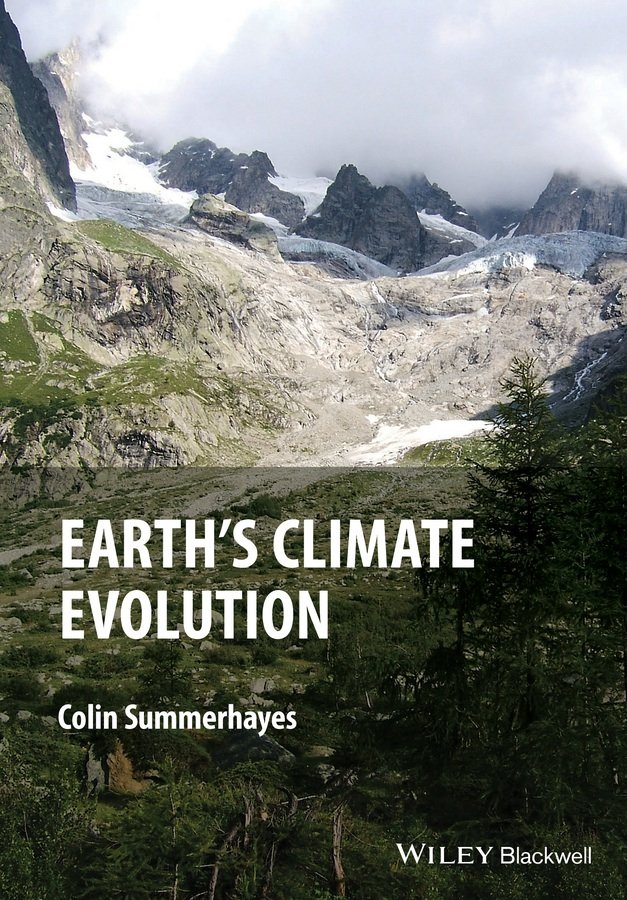
Earth’s Climate Evolution analyzes reports and records of past climate change dating back to the late 18th century to uncover key patterns in the climate system. The book will transform debate and set the agenda for the next generation of thought about future climate change.
20% discount available before May 2015.
New book reveals story of Scotland’s national gem
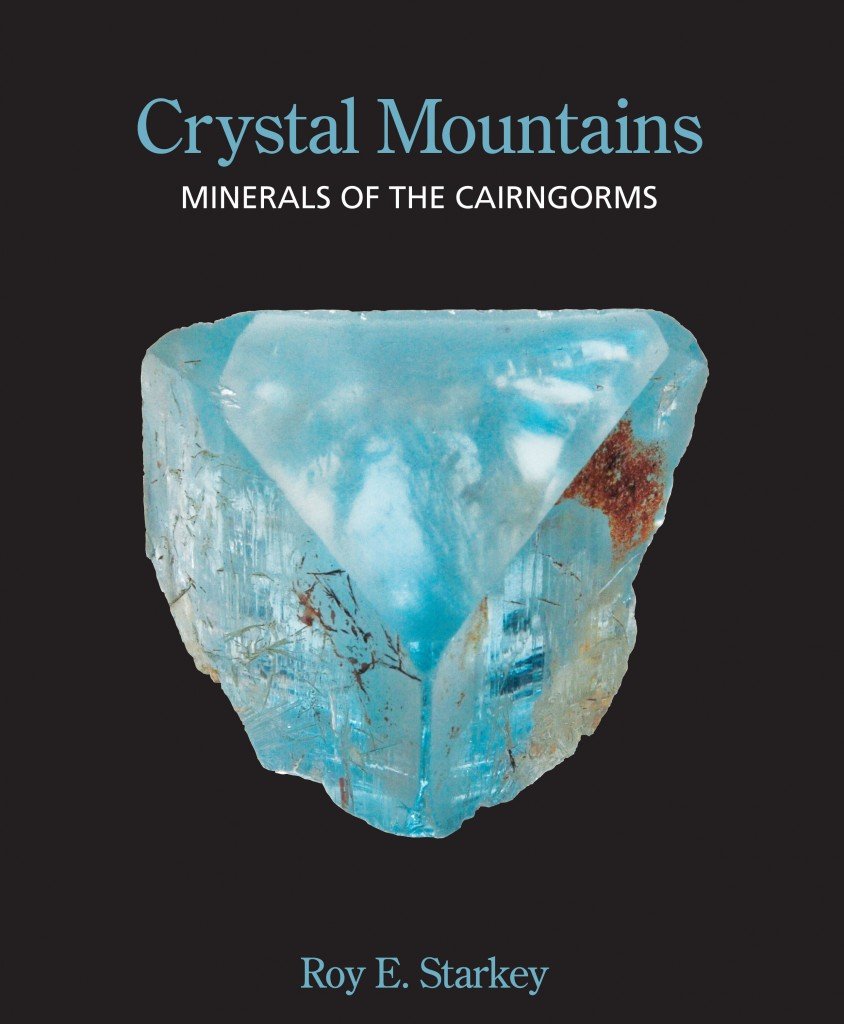
Crystal Mountains – Minerals of the Cairngorms by HOGG Member Roy Starkey explores the long tradition of hunting for ‘Cairngorm stones’, which saw individuals – and even whole families – driven to search the mountains with zeal akin to the lust for gold.
Do you know this artist?
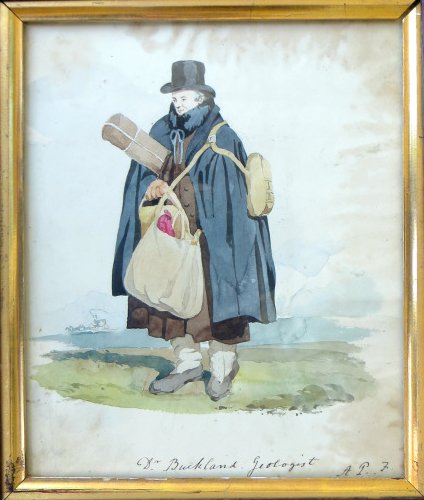
While visiting the private museum of Dorset fossil collector, Wolfgang Grulke recently, Ted Nield saw a familiar image in a rather unfamiliar form. Could he have discovered a new version of Thomas Sopwith’s famous portrait of Buckland?
Not getting the drift
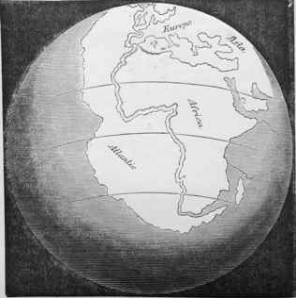
A new book by Alan Krill takes a hard look at the early ideas of plate-tectonics. Download this book as a PDF for free.