Past Meeting: Murchison, the Discovery of the Silurian and the Brecon Anticlinal Field Trip
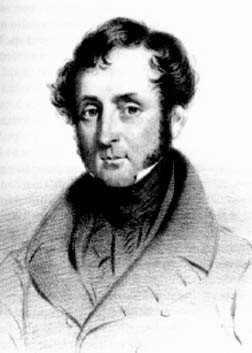
Sir Roderick Impey Murchison was one of the most important figures in 19th century geology and exploration. He was Director-General of the Geological Survey, President of the Royal Geographical Society and publicly known as the ‘King of Siluria’. In July 1831, on his first field season as a solo geologist, Murchison explored the Wye Valley. Retrospectively, over his diary entry for one of the locations we shall visit, he wrote “This was the first true Silurian”.
Past meeting: Comparing the Smith and Greenough maps – behind the scenes at the National Museum of Wales
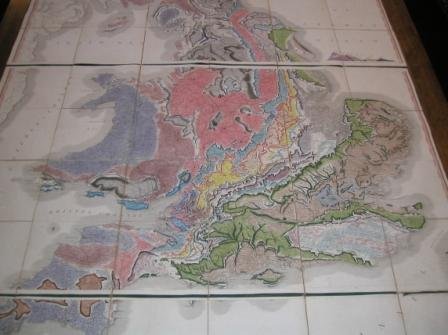
This meeting will focus on some of the highlights of the collection such as De la Beche’s original watercolour of Duria Antiquior, and will include an opportunity to view several issues of Smith’s 1815 map side by side, and to compare them with Greenough’s map. Also on display will be the (much-faded) and recently rediscovered annotated Greenough map which hung in the Geological Society’s apartments until 1932.
Past meeting: INHIGEO Conference; Field Trips
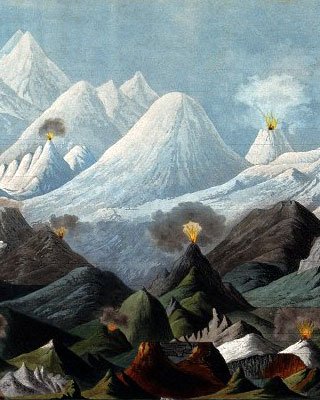
The International Commission on the History of Geological Sciences (INHIGEO) promotes ongoing research into the history of the Earth sciences. Each year it sponsors an international symposium with associated field activities.
Past meeting: Visit to the Map Library and Archives of the Geological Society
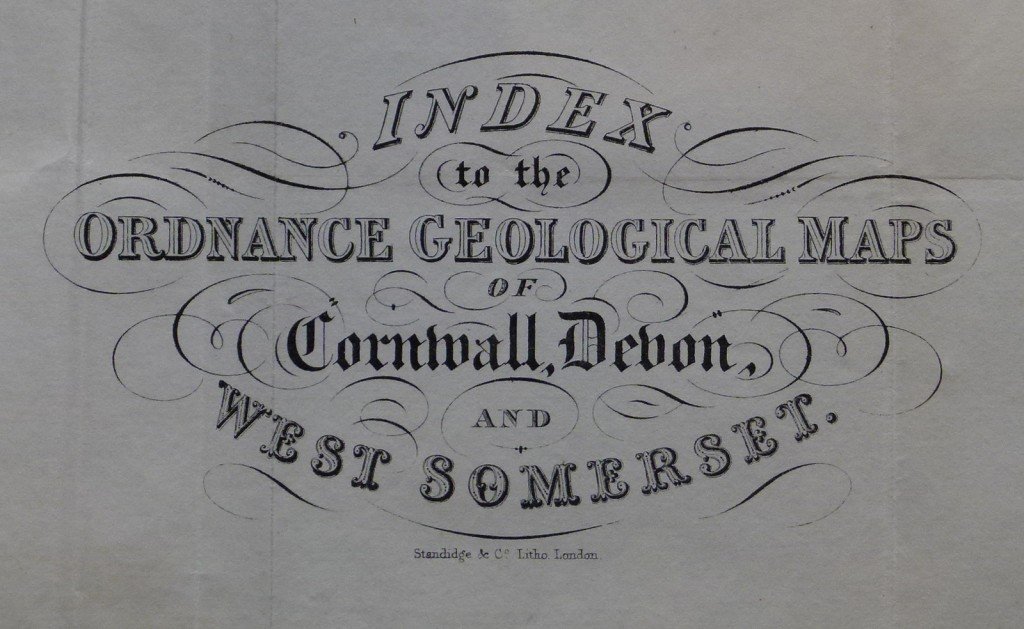
Without the maps of the Ordnance Survey, geologists were greatly hampered. For this visit, a selection of maps from the archive will demonstrate the progress to accurate geological mapping in Britain and other European nations.
Past meeting: Piltdown Man – 100 years on
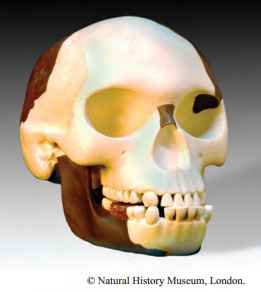
On 18 December 2012, a History of Geology Group meeting at the Geological Society of London will mark the centenary of the Piltdown meeting with a series of talks about the forgery, preceded by a tour of the Natural History Museum’s Piltdown Centenary Exhibition.
Past meeting: Appreciating Physical Landscapes: Geotourism 1670 – 1970
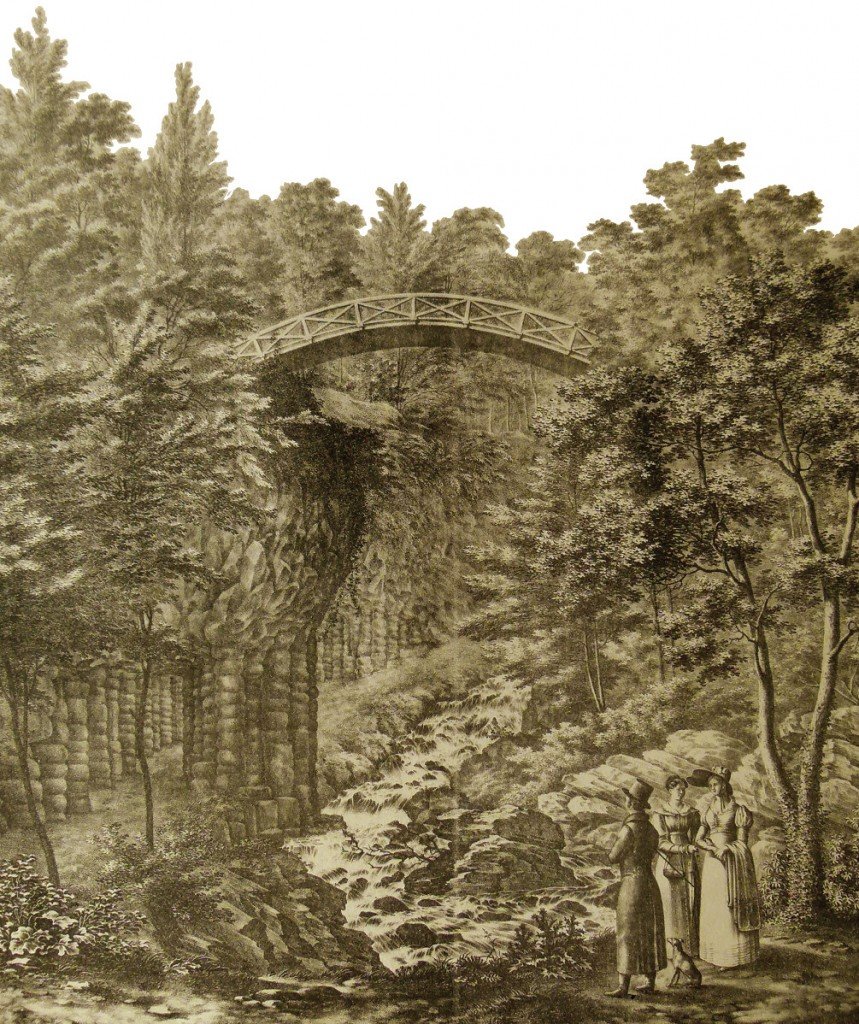
Geotourism’s burgeoning literature has tended to focus on descriptions and case studies of modern interpretative and promotional provision in protected areas and geoparks. The significant historical antecedents of modern geotourism in Britain and Europe are comparatively neglected in the literature.